

The Caribbean Corona Chronicles is an Oral History initiative of The Caribbean Civilisation Unit of the Faculty of Humanities and Education, The University of the West Indies, St. Augustine. Its purpose is to record and preserve the experiences of Caribbean people during the Covid-19 pandemic from 2020 to present.
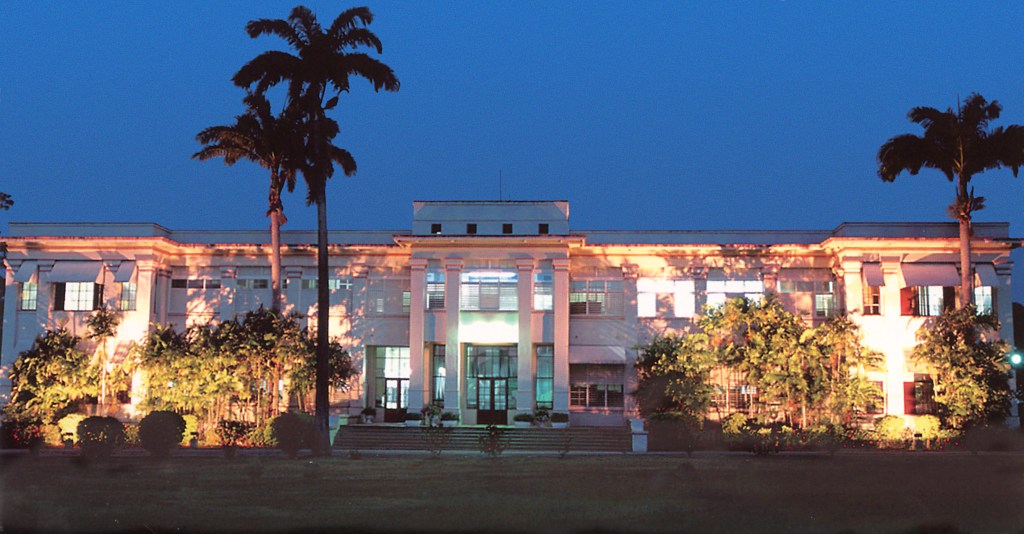
The outbreak of SARS-CoV-2 or Covid-19, was declared a pandemic by the WHO in March 2020 and continues to be one of the most devastating public health disasters in world history. Naturally a major threat to public health, the Covid-19 outbreak also completely destabilized the global economy and political systems and transformed social and cultural practices in every nation of the world.
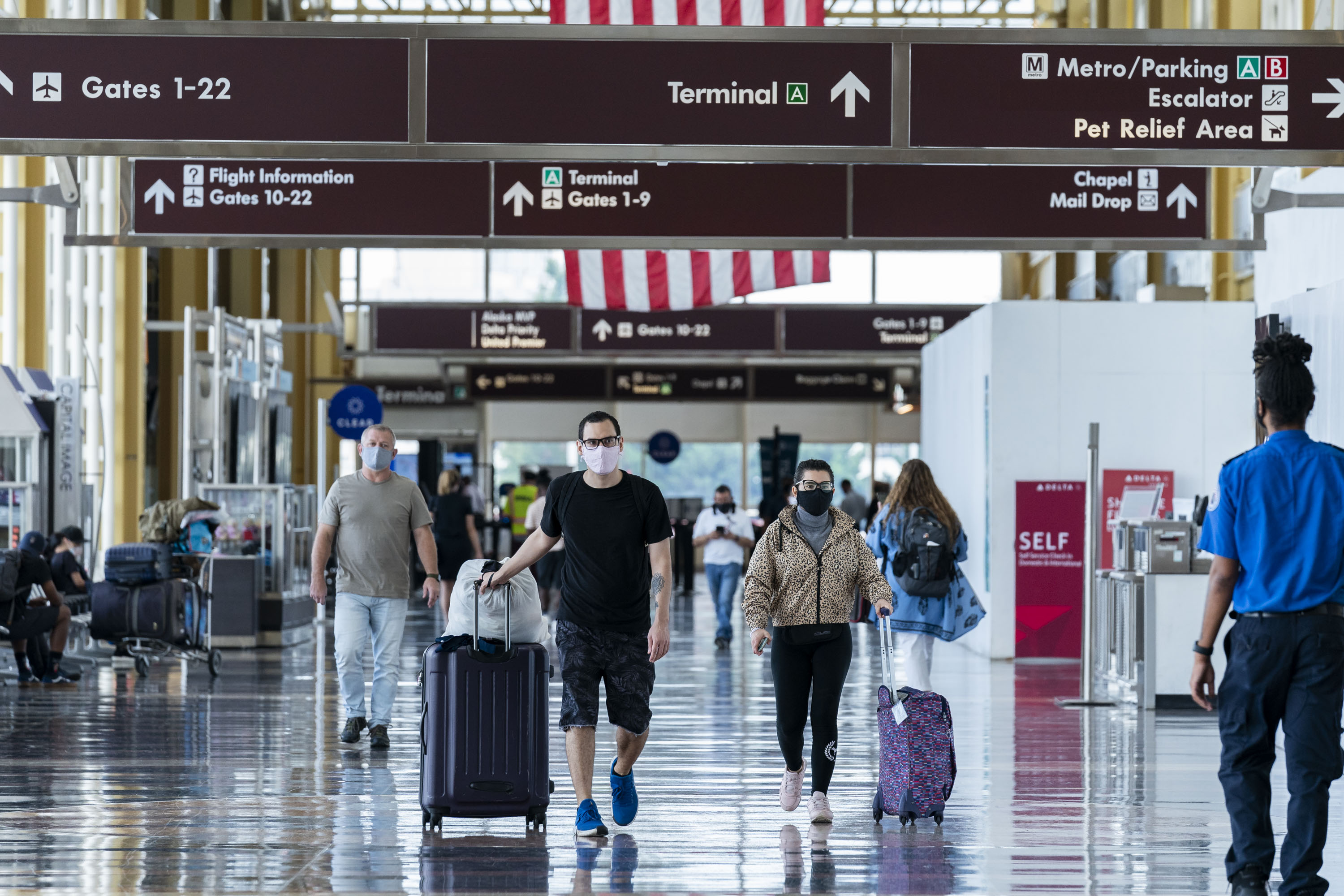
The Caribbean, a diverse region that is economically dependent on global trends and industries, has been deeply affected by this crisis. Therefore, it has become imperative for scholars of the humanities to record and study the revolutionary changes caused by the pandemic in the lives of Caribbean persons and societies.
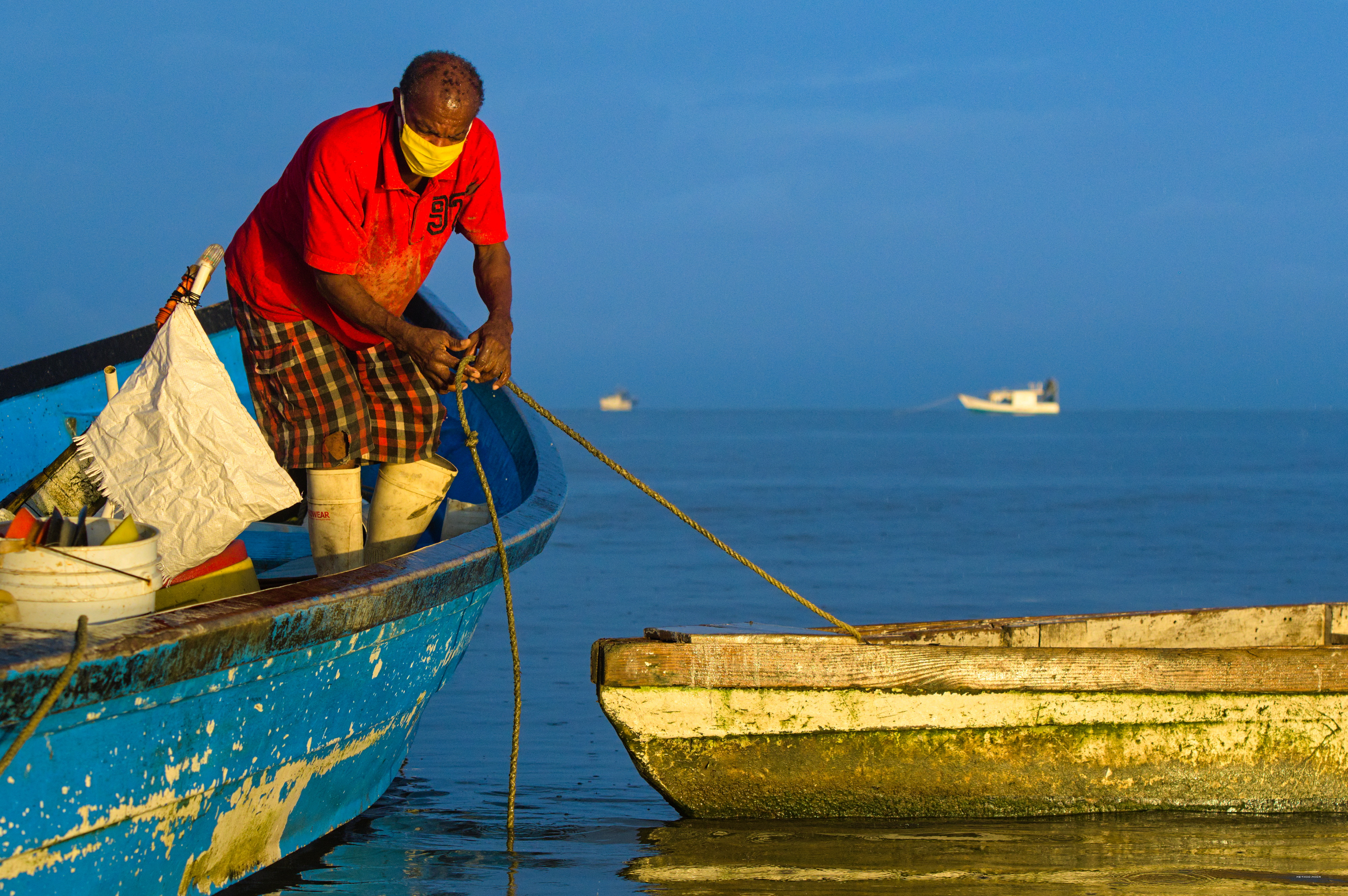
The main goal of this three-year project, from 1st July 2021 to 31st August 2024, is to create a secure historical digital archive of 200 video recordings and transcribed interviews of persons of various vocations across the Caribbean whose lives have been impacted by the Covid-19 pandemic and subsequent lockdowns. The project will be broken into three phases: Collection, Transcription and Data Entry, and Media Production.
Utilizing the Zoom Web Conferencing platform for interviews and UWISpace as the digital research repository, this public archive will provide critical information for academic researchers, documentary makers, analysts and policy designers and help to strengthen future public health responses. With the informed consent of each interviewee, the oral history material collected by this project will be housed in a protected and well-managed online archive that will be accessible to the public under set terms and conditions.
 The Caribbean Corona Chronicles